When someone imagines a VFX studio, they tend to picture endless swaths of computers split into departments. While this is true for a lot of the most famous studios, like the houses behind Marvel blockbusters and such, the industry is also populated by the little guys. Studios based out of far smaller offices, or even a basement. Where artists in a larger studio are laser-focused on one single task or discipline, these indie studios tend to have members who play lots of different roles; sometimes being an entire pipeline in themselves. Understanding the differences in structure and role demands for both of these settings is essential to anyone trying to survive in the industry.
Where does the rise of indie studios come from? At a base level, the human desire to create, but that’s a bit heavy for a blog post, so we’ll talk about the tools. Larger studios such as ILM have their own proprietary software: StageCraft, RenderMan etc. But the power of these is no longer exclusive to those with large budgets, with the existence of tools like Blender and Unreal Engine - both free to use - much smaller teams with little to no funding can work on ambitious projects. This software may not be industry standard, but they are growing fast and becoming valid parts of the larger pipelines, if not training up smaller creators to join the ranks of those larger companies and lowering the barrier to entry.
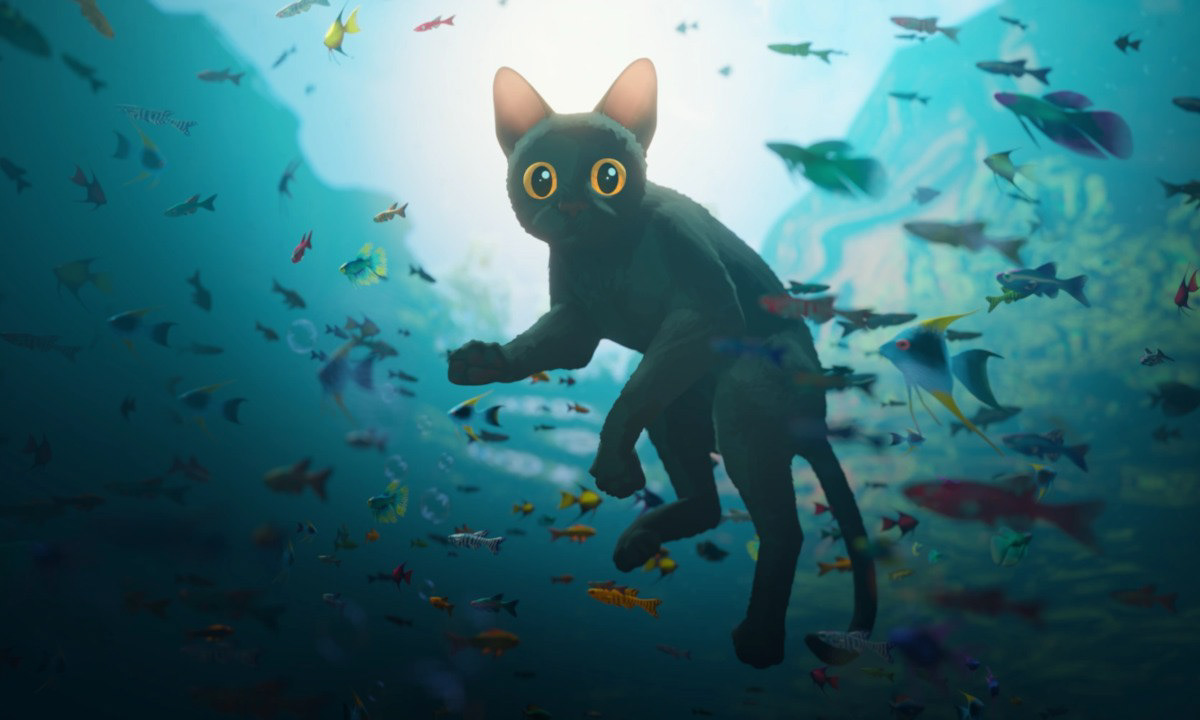
A great example of the success that can come from a small studio is the independent film Flow, produced predominantly using Blender. It was worked on by only 15-20 people according to director Gints Zilbalodis, with only 3 to 5 people working on it at any given time due to differing small teams working at different times. Due to the nature of such a small studio Zilbalodis himself worked in multiple disciplines, despite being only responsible for lighting. He made ‘extensive adjustments’ (source: Blender.org) to aspects like materials and assets in each shot. Overall, the project ran much like a larger pipeline, but with far more adaptability between roles where necessary.
So that brings us back around to you. Where would you want to be? Larger studios typically hire for narrow, more polished reels that exhibit a specific discipline that has been honed beyond belief. If that’s what matters to you, depth over breadth, then perhaps you’ll line up with what they’re looking for. If you’re more of a generalist and a learner, then maybe indie projects are where you’ll shine most. With the rise of smaller projects and the production of cinema-level films by tiny teams, maybe riding the wave is the thing to do. Post-pandemic remote team setups mean that the barrier to entry is far lower than it used to be, and geography is no longer the issue it once was. Of course, this discussion isn’t complete without mentioning the big bad AI. While it exists as a tool that can be quite useful to artists, those looking for junior roles in larger companies may find demand has wavered as menial tasks are completed by a computer rather than a human. Perhaps you’ll start your own studio and create your dream project independently. You’ve just got to start.